سکوتی که حرف میزند
گاهی انسان نیاز ندارد حرف بزند.
نه برای توضیح،
نه برای دفاع،
نه حتی برای اثبات خودش.
بعضی چیزها
در سکوت فهمیده میشوند.
نگاهها،
احساسها،
و حتی دردهایی که کلمات نمیتوانند بیانشان کنند.
ما در دنیایی زندگی میکنیم
که همه میخواهند شنیده شوند.
اما کمتر کسی هست
که واقعاً گوش بدهد.
سکوت همیشه نشانه ضعف نیست.
گاهی نشانه فهم است،
نشانه صبر،
و نشانه اینکه انسان میداند
هر چیزی ارزش گفتن ندارد.
در سکوت،
آدم خودش را بهتر میشناسد.
بدون نقشها،
بدون تظاهر،
بدون فشار دیگران.
و شاید بزرگترین آرامش
در همان لحظههایی باشد
که هیچچیز گفته نمیشود،
اما همهچیز احساس میشود.
— Naweed Nabi
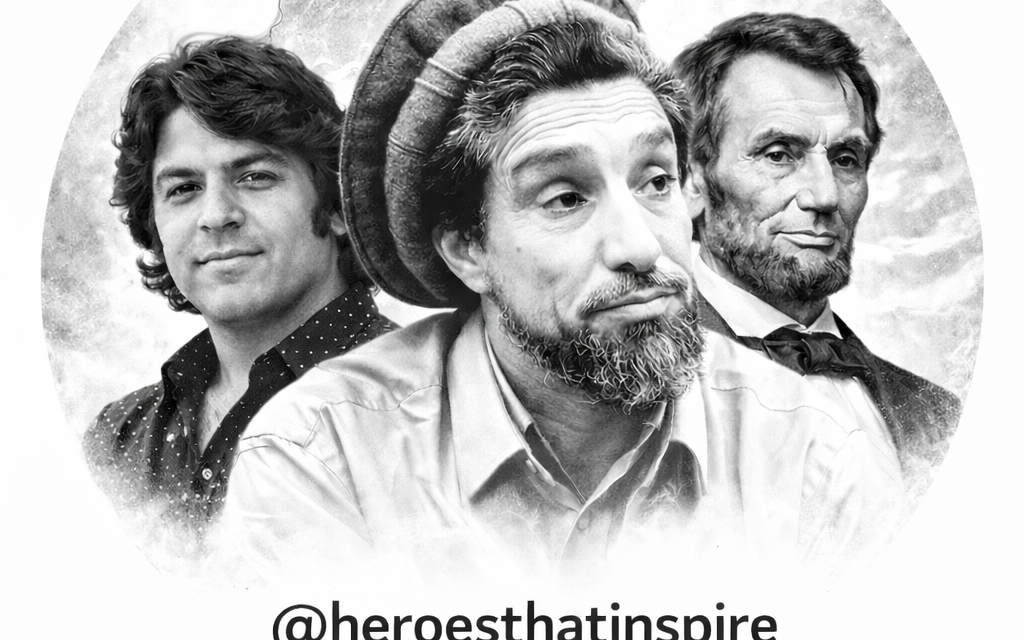
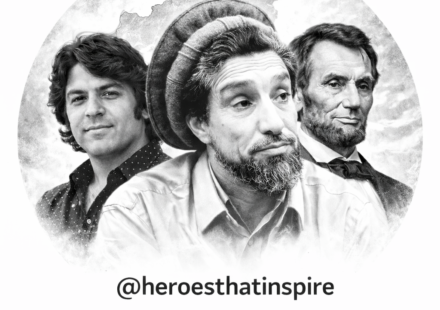
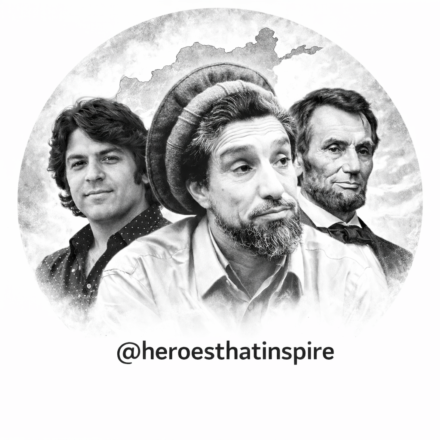
Heroes Who Changed History
Some names are not just remembered —
they are felt across generations.
They represent more than themselves.
They become symbols of voice, courage, and change.
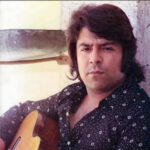
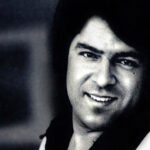
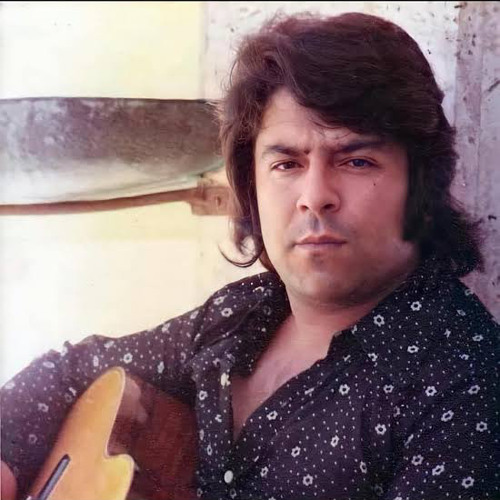
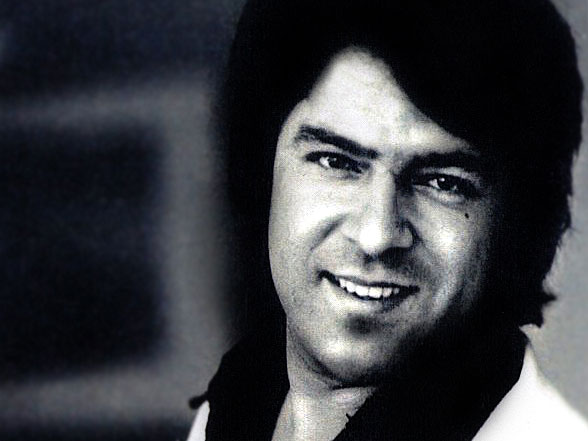
🎶 Voice of a Nation – Ahmad Zahir
A voice that still echoes through time.
His music carries emotion, identity, and the soul of a nation.
🕊️ Symbol of Freedom – Ahmad Shah Massoud
A figure of مقاومت و ایستادگی.
He stood for freedom, dignity, and the future of his people.
🗽 Voice of Justice – Abraham Lincoln
A leader who changed the course of history.
He stood for equality, unity, and human rights.
✨ Inspiration Never Dies
True legends never fade.
Their voices, sacrifices, and ideas continue to inspire generations.
History remembers them —
but more importantly,
people still feel their impact.
— Naweed Nabi
Begzar Ta Begeryim Chon Abr Dar Baharan
Some songs are not just heard —
they are felt.
“Begzar ta begeryim chon abr dar baharan” by Ahmad Zahir is one of those rare songs that comes from the heart and touches the soul.
This is not just music.
It is a story —
a story of separation, longing, and farewell.
⸻
Begzar ta begeryim chon abr dar baharan
Kez sang o nale khizad rooz-e veda-ye yaran
𝄞𝄞𝄞
Har ko sharab-e forqat rozi chashida bashad
Danad ke sakht bashad qat-e omidvaran
𝄞𝄞𝄞
Ba sarban beguyid ahwal-e ab-e chashmam
Ta bar shotor nabandad mahmel be rooz-e baran
⸻
In these lines, there is something deeper than poetry —
a feeling of sorrow, yet full of beauty.
Ahmad Zahir does not just sing —
he brings emotion to life.
For many of us, this song is not just music.
It is a part of our memories and emotions.
Sometimes, a song says
everything we cannot.
— Naweed Nabi
بگذار تا بگرییم چون ابر در بهاران
بعضی آهنگها فقط شنیده نمیشوند —
حس میشوند.
آهنگ «بگذار تا بگرییم چون ابر در بهاران» از احمد ظاهر یکی از همان صداهاییست که از دل میآید و مستقیم به دل مینشیند.
این آهنگ فقط موسیقی نیست،
یک روایت است —
روایت فراق، دلتنگی و وداع.
بگذار تا بگرییم چون ابر در بهاران
کز سنگ و ناله خیزد روز وداع یاران
𝄞𝄞𝄞
هر کو شراب فرقت روزی چشیده باشد
داند که سخت باشد قطع امیدواران
𝄞𝄞𝄞
با ساربان بگویید احوال آب چشمم
تا بر شتر نبندد محمل به روز باران
در این کلمات، چیزی فراتر از شعر وجود دارد.
حسی از درد، اما در عین حال زیبایی.
احمد ظاهر فقط نمیخواند —
او احساس را زنده میکند.
برای بسیاری از ما، این آهنگ فقط یک قطعه موسیقی نیست،
بلکه بخشی از خاطرات، لحظات و احساسات ماست.
گاهی یک آهنگ،
تمام حرفهایی را میزند
که ما نمیتوانیم بگوییم.
— Naweed Nabi
اینترنتی که با آن بزرگ شدیم
زمانی بود که اینترنت کاملاً متفاوت به نظر میرسید.
هیچ الگوریتم بیپایانی وجود نداشت.
هیچ اعلانها و نوتیفیکیشنهای مداومی نبود.
فقط وبسایتهای ساده، فرومها، وبلاگها و حس کنجکاوی.
ما وبسایتها را بهآرامی کشف میکردیم.
گاهی از طریق دوستان، گاهی از طریق موتورهای جستجو و گاهی هم کاملاً تصادفی.
دانلود یک فایل کوچک ممکن بود ساعتها طول بکشد.
دیدن یک ویدیوی کوتاه خودش یک اتفاق محسوب میشد.
اما همان روزهای آهسته چیز خاصی داشتند —
حسی از کشف کردن.
امروز اینترنت سریعتر و بزرگتر شده است،
اما هنوز بسیاری از مردم سادگی اینترنتِ سالهای اولیه را دلتنگ میشوند.
شاید پیشرفت همه چیز را آسانتر کرده باشد،
اما نوستالژی به ما یادآوری میکند که همه چیز از کجا شروع شد.
— Naweed Nabi
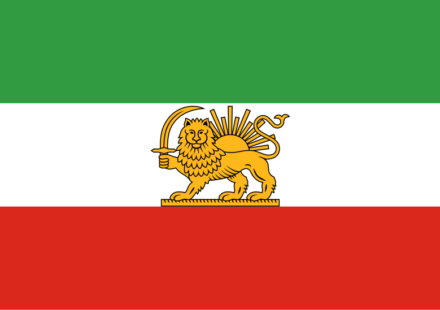
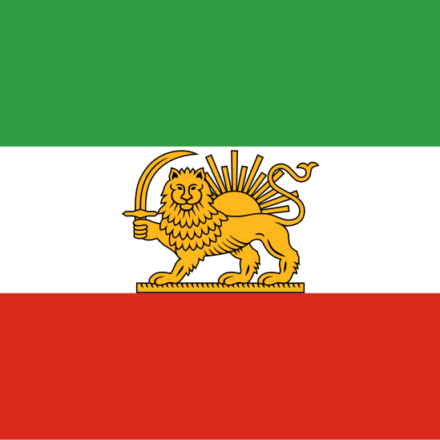
امید برای یک ایران آزاد
ایران یکی از کهنترین تمدنهای تاریخ بشر است — سرزمینی با شاعران، فیلسوفان و میراث فرهنگی عمیق. فرهنگ فارسی برای قرنها بر ادبیات، علم و هنر تأثیر گذاشته است.
اما فراتر از تاریخ و فرهنگ آن، امروز بسیاری از مردم ایران یک آرزوی قدرتمند را در دل دارند:
آیندهای ساخته شده بر پایه آزادی، کرامت انسانی و حقوق بشر.
آیندهای که در آن مردم بتوانند آزادانه سخن بگویند، اندیشههای خود را بیان کنند و بدون ترس مسیر زندگی خود را شکل دهند.
آزادی تنها یک مفهوم سیاسی نیست.
آزادی یک نیاز انسانی است.
آزادی یعنی توانایی اندیشیدن آزادانه، سخن گفتن صادقانه و زندگی کردن با عزت و کرامت.
در طول سالهای گذشته، مردم ایران بارها شجاعت و استقامت خود را نشان دادهاند. نسل به نسل صدای خود را برای عدالت، اصلاحات و آیندهای بهتر بلند کردهاند.
به عنوان نویسنده این مقاله، میخواهم قدردانی خود را از کسانی در سراسر جهان که از ایده آزادی و کرامت انسانی برای مردم ایران حمایت میکنند ابراز کنم — بهویژه بسیاری از صداها و حامیان در ایالات متحده آمریکا و اسرائیل که آشکارا از ارزشهای حقوق بشر و آزادی حمایت کردهاند.
حمایت و توجه بینالمللی میتواند کمک کند تا گفتوگو درباره آزادی زنده بماند.
تاریخ یک درس مهم به ما میدهد:
آرزوی آزادی هرگز از بین نمیرود.
جوامع تغییر میکنند.
نسلها دگرگون میشوند.
و روح انسان همیشه در جستجوی کرامت و فرصت است.
روزی ایران میتواند دوباره به جایی تبدیل شود که در آن خلاقیت، علم، فرهنگ و آزادی در کنار یکدیگر رشد کنند.
کشوری که در آن:
• آزادی بیان محترم شمرده شود
• زنان و مردان فرصتهای برابر داشته باشند
• جوانان بتوانند آینده خود را آزادانه بسازند
• فرهنگ و تنوع گرامی داشته شود
• امید جایگزین ترس شود
مردم ایران تاریخ طولانی از استقامت و قدرت دارند.
و امید به یک ایران آزاد و صلحآمیز همچنان در قلب میلیونها نفر زنده است.
✦ نوشته شده با امید به آزادی، کرامت انسانی و آیندهای روشن برای ایران.
— Naweed Nabi
The Internet We Grew Up With
There was a time when the internet felt very different.
No endless algorithms.
No constant notifications.
Just simple websites, forums, blogs, and curiosity.
We discovered websites slowly.
Sometimes through friends, sometimes through search engines, and sometimes just by accident.
Downloading a small file could take hours.
Watching a short video felt like an event.
But those slower days had something special —
a sense of discovery.
The internet today is faster and bigger,
but many people still miss the simplicity of the early internet.
Maybe progress makes things easier,
but nostalgia reminds us how it all started.
— Naweed Nabi
From GTA 2 to GTA 6 – A Gamer’s Journey
Sometimes a video game becomes more than just entertainment — it becomes a memory of an entire period of life.
My journey with Grand Theft Auto started many years ago, during my teenage years.
At that time, my first introduction to the GTA world was through GTA 2 and later GTA 3. For us, those games felt incredible. The freedom, the open world, the missions — everything felt new and exciting.
A few days later, we discovered something even more interesting:
GTA Vice City had arrived in the market.
Everyone was talking about it. The game looked better, the world was bigger, and the atmosphere of the 1980s made it even more exciting.
But unfortunately, there was one problem.
At that time my computer was only a Pentium II, and it simply couldn’t run GTA Vice City properly. Watching others talk about it while not being able to play it myself was frustrating.
Then one day everything changed.
I finally got a Pentium IV computer. That moment felt like a big upgrade in life. The first thing I did was install GTA Vice City.
Playing it for the first time was unforgettable.
The city, the music, the missions — everything felt amazing. For a teenager at that time, it was pure excitement.
Then in 2004, Rockstar released another legendary game:
GTA San Andreas.
That game became one of the most iconic titles in gaming history. The massive map, the story, the characters, and the freedom of gameplay made it unforgettable for an entire generation of players.
Years passed, technology changed, and many GTA games came and went.
Now, many of us are waiting for the next chapter.
All eyes are on GTA VI.
Many fans hope it might finally arrive in 2026, but honestly, no one knows for sure. Maybe it will come this year, maybe later.
But one thing is certain:
For those of us who started with GTA 2 and GTA 3, every new GTA release feels like revisiting a piece of our youth.
From old Pentium computers to modern gaming systems — the journey has been long.
And we are still waiting for the next adventure.
— Naweed Nabi
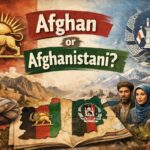
Afghan or Afghanistani? A Question About Identity
Sometimes a simple question can open a deeper discussion about identity.
Why do many people say “Afghan” when referring to everyone from Afghanistan, but rarely say “Afghanistani”?
For many people, this question is not only linguistic — it is also about history, identity, and how national identity is defined.
The country’s name is Afghanistan.
Logically, the nationality could also be Afghanistani — meaning simply a person from Afghanistan, just as we say Pakistani, Tajikistani, or Kazakhstani.
Historically, the word “Afghan” appeared in many older texts mainly in connection with Pashtun tribes. Over time, especially during the formation of the modern Afghan state in the 18th and 19th centuries, the term gradually expanded and began to be used more broadly.
As the country of Afghanistan developed as a political state, the word “Afghan” increasingly became a national label used for all citizens of the country, regardless of ethnicity.
However, Afghanistan is one of the most diverse societies in the region. Its people include many ethnic groups such as:
• Pashtuns
• Tajiks
• Hazaras
• Uzbeks
• Turkmen
• Nuristanis
• Baluch
• and many others
Because of this diversity, some people believe that the word “Afghanistani” reflects the country’s reality more clearly. It refers simply to nationality — a citizen of Afghanistan — without linking the identity to a specific ethnic background.
From this perspective:
• Afghanistan is the country
• Afghanistani could be understood as the nationality
• while Afghan historically had ethnic meanings that later expanded into a national label
Others, however, see “Afghan” as the official national identity today and use it without distinction.
This debate shows something important: identity is complex. It evolves through history, politics, language, and collective experience.
Afghanistan’s strength has always been its diversity. A country with many cultures, languages, and histories cannot always be described with a single simple word.
Perhaps the most important question is not which word people use — but whether all people feel respected and included in the national identity.
Understanding history helps us have better conversations about identity today.
And honest conversations are the beginning of understanding.
— Naweed Nabi
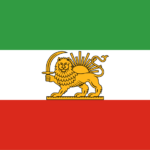
Hope for a Free Iran
Iran is one of the oldest civilizations in human history — a land of poets, philosophers, and deep cultural heritage. Persian culture has influenced literature, science, and art for centuries.
But beyond its history and culture, many Iranians today share a powerful dream:
A future built on freedom, dignity, and human rights.
A future where people can speak openly, express their ideas, and shape their own lives without fear.
Freedom is not just a political concept.
It is a human necessity.
It means the ability to think freely, speak honestly, and live with dignity.
For many years, the Iranian people have shown courage and resilience. Generation after generation has continued to raise its voice for justice, reform, and a better future.
As the author of this article, I want to express my appreciation to those around the world who support the idea of freedom and human dignity for the Iranian people — especially many voices and supporters in the United States and Israel who have openly stood for the values of human rights and liberty.
Support and international attention can help keep the conversation about freedom alive.
History teaches us something important:
The desire for freedom never disappears.
Societies evolve.
Generations change.
And the human spirit always searches for dignity and opportunity.
One day, Iran can once again become a place where creativity, science, culture, and freedom grow together.
A country where:
• Freedom of speech is respected
• Women and men have equal opportunities
• Young people can build their future freely
• Culture and diversity are celebrated
• Hope replaces fear
The Iranian people have a long history of resilience and strength.
And the hope for a free and peaceful Iran continues to live in the hearts of millions.
✦ Written with hope for freedom, dignity, and a brighter future for Iran.
— Naweed Nabi